 admin
adminThe controversial VAR decision to overturn Neco Williams’ second-half goal against Tottenham Hotspur has sparked plenty of discussion following Nottingham Forest’s goalless draw with Spurs on Saturday.
Tottenham secured their first point of the new Premier League campaign at the City Ground, but they were forced to work hard for it as both teams struggled to find a breakthrough.
However, much of the post-match debate has centred on Forest’s disallowed goal in the 65th minute.
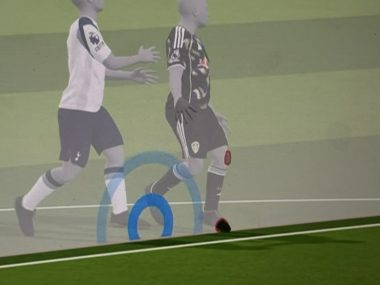
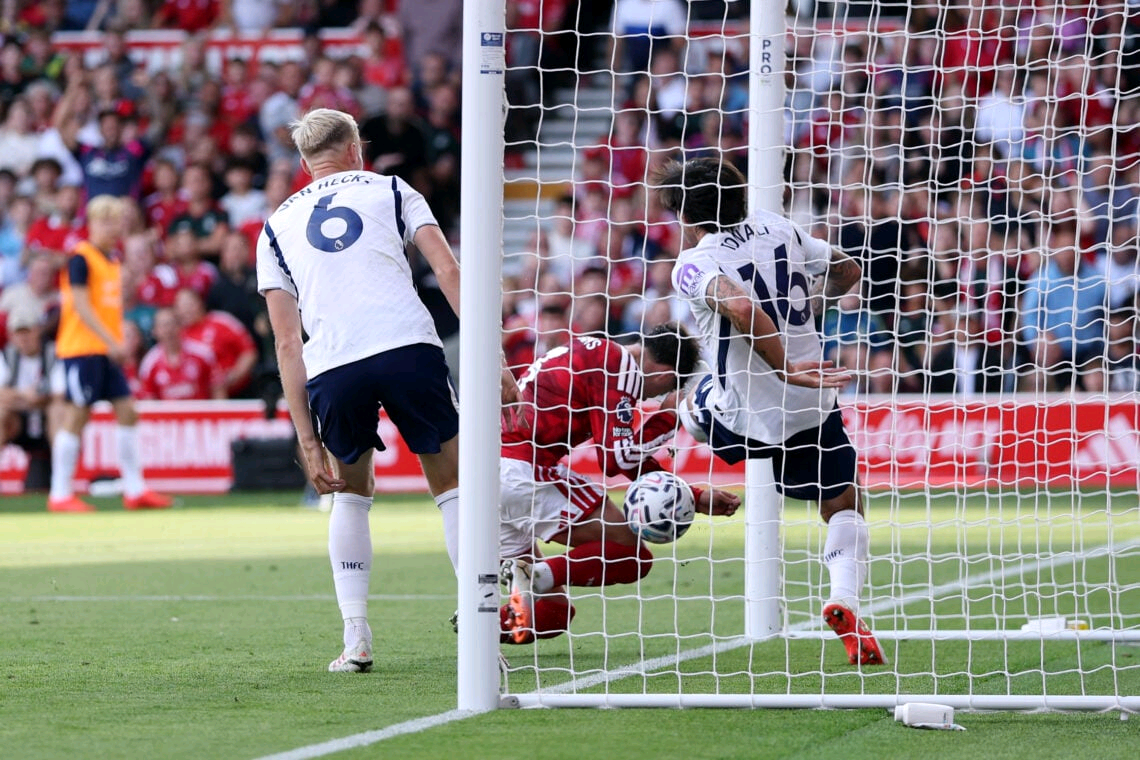
With Sandro Tonali attempting to prevent the ball from crossing the line, Williams reacted quickly and headed it into the net. VAR subsequently reviewed the incident, with replays appearing to suggest that the ball may have made contact with the Forest defender’s arm before crossing the line.
Keith Hackett Questions VAR Intervention
Williams and Nottingham Forest manager Oliver Glasner were both furious with the decision, arguing that there was not enough evidence to classify the incident as a clear handball.
Former PGMOL chief and FIFA referee Keith Hackett has now backed their concerns, claiming the available footage does not conclusively prove that the ball struck Williams’ hand or arm.
Speaking to Football Insider, Hackett said:
“When you look closely on the big screen at that disallowed Nottingham Forest goal, having played it on several occasions, it is actually inconclusive that the ball struck the hand or arm, either accidentally or deliberately. Therefore, VAR should not have intervened.
“And certainly, on the evidence I have witnessed, the goal should not have been ruled out. The law is specific, and I want to clarify that if the ball does strike the hand and arm, and it goes directly into the goal, then the goal would be ruled out.
“On this occasion, it is inconclusive that the ball actually made contact with the scorer’s hand or arm.”
Does the Evidence Contradict Hackett’s View?
While Hackett maintains that the footage is inconclusive, there appears to be visual evidence suggesting that the ball did make contact with Williams’ hand before crossing the goal line.
The handball law is relatively straightforward: if the ball hits the goalscorer’s hand or arm and immediately results in a goal, the goal cannot stand.
The main disagreement, therefore, appears to be over whether the available footage proves that contact actually occurred.
Although the images may not provide an absolutely definitive view, they do appear to show the ball striking Williams’ hand. That makes the VAR intervention and subsequent decision to disallow the goal considerably more understandable.
The incident is likely to remain a major talking point, particularly given the contrasting opinions from Glasner, Williams and Hackett over whether VAR had sufficient evidence to overturn the on-field decision.


 admin
admin