 admin
adminThe 2026 FIFA World Cup has already given us breathtaking drama, shock results, and flashes of genius. Yet no storyline has generated as much heat as FIFA’s latest directive expanding VAR’s reach to review pre-set-piece fouls.
As England gear up for a quarterfinal clash against a dangerous Norway side in Miami, this “new rule” — more accurately a major enforcement shift flagged in official announcements and referee briefings — has seized global attention, dominating headlines, social feeds, and punditry debates.
At the center of the storm is FIFA’s head of refereeing, Pierluigi Collina, who used a specific England moment from a pre-tournament friendly to draw a line in the sand.
The updated protocol permits VAR to examine and potentially overturn goals if an attacking player commits an infringement—such as illegal blocking or grappling—in the moments before a corner or free-kick is taken.
The goal is to eliminate cynical tactics, restore fairness, and clean up the game. Detractors, however, warn it could unfairly hit teams like England, who have long leaned on rugged, well-drilled set-piece routines.
The Backstory: A Rule Forged from Frustration
To grasp the uproar, we must rewind to the tournament’s build-up. In May and early June 2026, IFAB and FIFA introduced a raft of adjustments aimed at accelerating play, curbing time-wasting, and tackling simulation, dissent, and set-piece mayhem. Among them: 10-second substitution limits, stricter injury-timeout protocols, bans on keepers exploiting medical delays, and broader VAR authority.
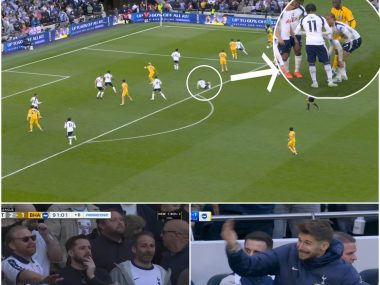
But the spotlight fell squarely on set-pieces. In presentations to teams and officials, Collina singled out England’s March friendly against Uruguay at Wembley. In that game, Ben White nodded in from a corner after Crystal Palace’s Adam Wharton was judged by Collina to have executed a clear “illegal block” on Uruguay defender José María Giménez.
The goal was allowed at the time, but under the new interpretation, VAR could intervene and disallow it, given the foul occurred before the ball was live.
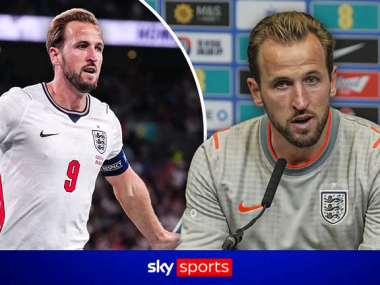
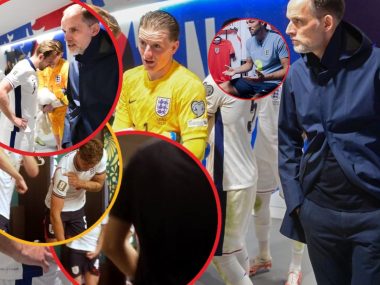
“We are convinced that this goal cannot stand. It is completely unfair,” Collina declared, underscoring that attackers cannot impede defenders from fairly contesting the ball. Far from neutral guidance, this was a pointed illustration — and the press quickly painted it as FIFA “putting England in the crosshairs.” Thomas Tuchel’s squad, renowned for aerial menace and set-piece sophistication under both Gareth Southgate and now Tuchel, suddenly became the poster child for what officials want to eradicate.
FIFA statements and referee workshops reinforced the message: VAR now has authority to scrutinize attacking fouls in the build-up to corners, free-kicks, and throw-ins. The intention is admirable — to curb the wrestling bouts that often degrade set-pieces into farces — but the rollout, arriving just weeks before the knockout rounds, has invited accusations of shifting the goalposts midstream.
Why England May Be Hit Hardest
England’s dead-ball prowess is no secret. Across recent major tournaments, a sizable chunk of their goals have originated from set-pieces. Harry Kane, Declan Rice, Jude Bellingham, John Stones, and substitutes like Ben White or Kyle Walker supply height, timing, and physicality that make them a constant threat from corners and free-kicks.
Analysts suggest that under previous interpretations, England converted set-pieces at a clip higher than most rivals. The fresh scrutiny could compel changes:
· Tactical Retooling Required: Tuchel may have to scale back aggressive screening and blocking runs, potentially dulling an element that has rescued England in tight contests—like their dramatic Round of 16 victory over hosts Mexico.
· Referee Discretion and Inconsistency: While the rule reads clearly, its application will vary. England’s high-intensity, robust style already attracts attention. Pundits fret that officials, now hypervigilant after FIFA’s emphasis, might overcorrect, leading to more chalked-off goals or even bookings for “persistent offending.”
· Psychological Burden: Players and supporters are unsettled. Social media overflows with memes depicting “FIFA vs. England set-pieces.” Should a decisive quarterfinal goal be scrubbed, the narrative will practically write itself: “FIFA targeting the Three Lions.”
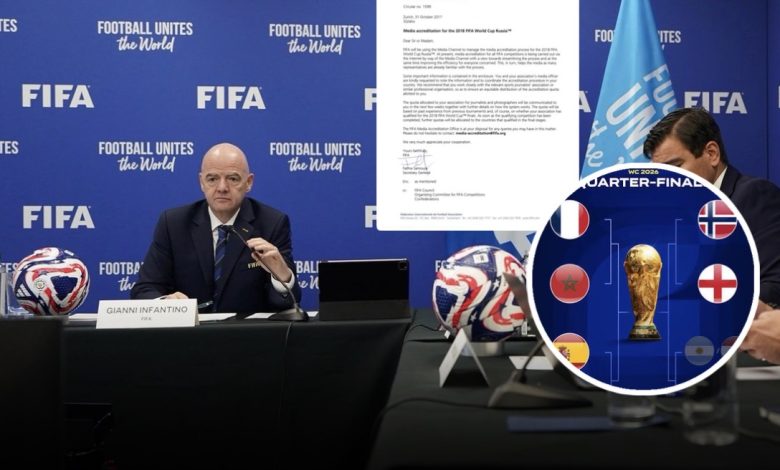
Contrast this with fellow quarterfinalists. Norway, England’s upcoming opponents, lean heavily on Erling Haaland’s individual heroics and transition play, not complex set-piece schemes. France, Spain, and Argentina boast varied attacking avenues less reliant on brute force from corners. England, with its old-school “Route One” assets amplified in the modern era, could lose the most from a purist application.
In the Round of 16 against Mexico at altitude, England already weathered a red card, relentless pressure, and scheduling kerfuffles involving UK Prime Minister Keir Starmer. Now, heading to Miami, this rule injects fresh complexity against a Norway side riding Haaland’s form and their own historic run.
The Bigger Picture: 2026’s Rule Revolution
This isn’t an isolated tinker. FIFA’s overarching drive includes:
· Anti-Timewasting Measures: The clock halts for throw-ins, goal kicks, and substitutions; hydration breaks (not without controversy, as seen in Mexico matches).
· Discipline Crackdowns: Red cards for covering mouths during confrontations or leaving the field in protest.
· VAR Expansions: More active reviews of corners and second yellow cards.
Proponents applaud these for enhancing watchability and fairness. Sceptics, especially among English fans, perceive selective enforcement. One viral post noted how England’s friendly incident was showcased while similar episodes elsewhere went ignored. The debate has widened beyond football, touching on governance, accusations of national bias, and the tournament’s commercial machinery.
Reactions Across the Football World
The directive ignited a firestorm. English outlets like The Times, Mirror, and Express ran with headlines decrying the “targeting” of Tuchel’s team. Former pros split: some welcomed the overdue clampdown, others called it disruptive to an ongoing competition.
On the continent and in South America, reactions ranged from muted to gleeful — “Finally, no more English dark arts at corners.” Norwegian supporters, eyeing the quarterfinal, joked about Haaland exploiting any disarray in England’s reshuffled routines.
Social platforms, particularly X, exploded with hashtags like #FIFAvEngland and #SetPieceGate. Polls revealed division: roughly 45% of global respondents backed the tighter rules, but among English fans, opposition soared to nearly 80%.
Tuchel has stayed diplomatic in press briefings, stressing adaptability: “We adapt. Football evolves, and so do we.” Insiders hint that training now prioritizes quicker, cleaner deliveries and more varied routines to lower risks.
Quarterfinal Stakes: England vs. Norway
As England prepare for Norway on July 11 in Miami, the stakes are immense. Norway’s dream run — stunning Brazil in the Round of 16 behind a Haaland masterclass — makes them dangerous underdogs with nothing to lose.
Key battles:
· Haaland vs. England Defense: The Manchester City striker’s aerial strength ironically parallels England’s own. If set-pieces are muted for both, the game could tilt toward open play.
· Midfield Duel: Bellingham and Rice’s energy against Norway’s structured midfield.
· The Rule Wildcard: A single contentious disallowed goal could flip the tie. England must sharpen their open-play finishing, an area that has sometimes let them down.
A semi-final spot awaits the victor, likely against one of the tournament’s titans. For England, often tagged as underachievers despite a wealth of talent, this rule brings added pressure but also a chance to prove their adaptability.
What Lies Ahead: The Rule’s Lasting Impact
Whether this change ultimately serves the sport is uncertain. If it yields fewer interruptions and cleaner goals, fans will celebrate. If it sparks uproar in knockout fixtures, it could further erode trust in VAR.
For England, the storyline is familiar: perceived barriers on the path to glory. They have already conquered altitude, scheduling rows, and now regulatory scrutiny. The squad’s depth and Tuchel’s tactical nous offer optimism.
As the quarterfinal nears, one thing is clear—FIFA’s declaration has intensified the spectacle. Football feeds on such narratives, merging rules, rivalry, and raw passion. England fans will watch every corner with held breath, praying their set-piece sorcery endures this new age.
Ultimately, the beautiful game keeps evolving. The question is whether England can evolve faster than the rules partly crafted with them in mind. The Miami showdown will provide early clues, but the debate is far from settled.


 admin
admin