 admin
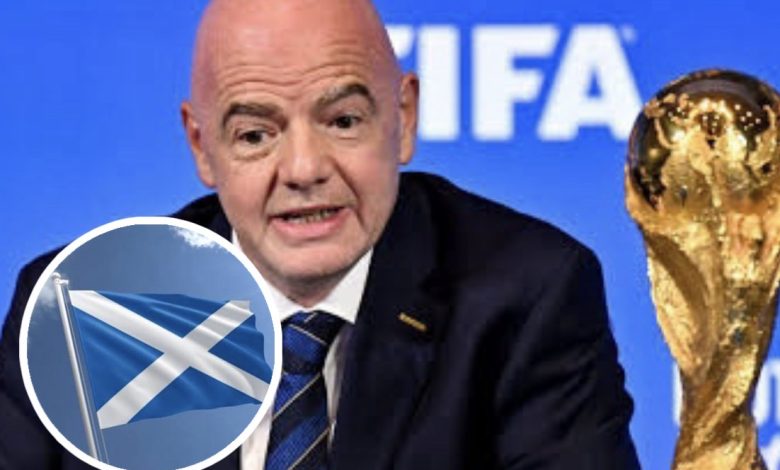
adminFIFA Could Finally Bring the World Cup to Scotland — But One Major Requirement Stands in the Way
For generations, Scottish football fans have dreamed of watching FIFA World Cup matches on home soil. Despite Scotland’s rich football heritage, legendary players, iconic stadiums and some of the most passionate supporters in the game, the country has never been selected to host football’s biggest tournament.
Could that change in the future? The possibility is no longer as remote as it once seemed, but one crucial condition would almost certainly have to be met.
With the FIFA World Cup now expanded to 48 teams and the governing body increasingly favouring tournaments shared between multiple countries, Scotland has a more realistic chance of becoming a host nation. However, the country is unlikely to achieve that goal on its own.
A Joint Bid Is Scotland’s Best Hope
Hosting a World Cup independently has become increasingly difficult for smaller nations.
FIFA now expects host countries to provide numerous large-capacity stadiums, extensive transport links, sufficient accommodation for hundreds of thousands of visitors, advanced media facilities and world-class commercial infrastructure.
While Scotland has a proud football tradition and historic venues, meeting every modern requirement alone would be a significant challenge.
Instead, the most realistic path would be a joint bid involving England, Wales, Northern Ireland and the Republic of Ireland.
This model has already become common. The 2026 World Cup is being staged across the United States, Canada and Mexico, highlighting FIFA’s growing preference for shared hosting arrangements that reduce costs while spreading the tournament across multiple nations.
Why FIFA Could Support Such a Proposal
A combined UK and Republic of Ireland bid would offer several major advantages.
Most of the required infrastructure already exists, meaning far fewer new stadiums and transport projects would be needed than in many previous host nations.
The region also possesses a deep football culture, ensuring packed stadiums and strong local support throughout the tournament regardless of which teams are playing.
In addition, European kick-off times and the global popularity of British football could deliver huge worldwide television audiences, making the proposal highly attractive from both sporting and commercial perspectives.
Hampden Park Would Be a Strong Candidate
Should Scotland become part of a successful bid, Hampden Park would almost certainly be selected as one of the tournament venues.
The national stadium already has extensive experience hosting major events, including UEFA Champions League finals, UEFA European Championship matches, international qualifiers and domestic cup finals.
Although upgrades would likely be required to meet FIFA’s latest tournament standards, Hampden’s long history of staging high-profile football makes it a natural choice.
Could Celtic Park and Ibrox Be Included?
Another question regularly raised by supporters is whether Celtic Park and Ibrox could also host World Cup fixtures.
Both stadiums have capacities exceeding 50,000 and regularly welcome major European matches, making them credible options.
However, FIFA requires host venues to comply with strict commercial regulations, including temporary sponsorship adjustments and hospitality modifications during tournaments. If those conditions were met, both Glasgow stadiums could be considered as part of the overall hosting plan.
Their inclusion would further strengthen Glasgow’s status as one of Europe’s great football cities.
England Would Host the Majority of Matches
Even with Scotland involved, England would almost certainly provide the largest number of venues.
Stadiums such as Wembley, Old Trafford, Tottenham Hotspur Stadium, the Emirates, Villa Park and St James’ Park would be expected to play leading roles, with Wembley the favourite to stage the final.
This arrangement would allow Scotland to host selected matches without carrying the enormous financial and logistical burden of organising the tournament alone.
Scotland Already Offers World-Class Football Atmosphere
While infrastructure is vital, Scotland’s football culture remains one of its greatest strengths.
The Tartan Army has earned worldwide respect for creating colourful, friendly and passionate atmospheres wherever Scotland plays. Their reputation has made them some of the most admired supporters in international football.
Hosting World Cup matches in Scotland would undoubtedly add a unique atmosphere and unforgettable fan experiences to the tournament.
Practical Requirements Remain Essential
Despite its football tradition, Scotland must still satisfy FIFA’s demanding operational standards.
The governing body assesses factors including airport capacity, transport systems, hotel availability, stadium quality, security planning, media facilities and training centres before awarding hosting rights.
Although Scotland performs well in many of these areas, partnering with neighbouring nations would create a significantly stronger overall bid capable of meeting every requirement.
Cooperation Beyond Football
A successful World Cup bid would require more than agreement between football associations.
Governments, local authorities, transport agencies, police services and tourism organisations across all participating nations would need to work together for several years to deliver the event successfully.
Strong political backing and long-term planning would be just as important as the sporting infrastructure itself.
Economic Opportunities
Hosting even a limited number of World Cup matches could provide a major boost for Scotland’s economy.
Hotels, restaurants, pubs and local businesses would benefit from an influx of international visitors, while the country’s cities, landscapes and football culture would receive global exposure that could encourage tourism long after the tournament concludes.
Many analysts believe these long-term benefits make participation in a joint bid highly worthwhile.
Could It Really Happen?
No future FIFA World Cup has yet been awarded to a UK and Republic of Ireland partnership.
However, the successful organisation of UEFA Euro 2028 across the same nations could strengthen confidence in launching a future World Cup bid.
While Scotland is unlikely to satisfy FIFA’s requirements independently, participating in a joint proposal remains a realistic possibility.
Final Thoughts
Scotland’s ambition of hosting FIFA World Cup matches is no longer just a distant dream.
The expansion of the tournament and FIFA’s growing acceptance of multi-nation hosts have created a genuine opportunity. However, the country is unlikely to achieve that goal alone.
A united bid involving the UK and the Republic of Ireland offers the clearest and most realistic path to bringing football’s biggest event to Scottish soil.
For Scottish supporters, the dream remains alive—but success will almost certainly depend on working together with neighbouring nations.


 admin
admin