 admin
adminThe Professional Game Match Officials Limited (PGMOL) is facing renewed scrutiny following a controversial refereeing decision during Hull City’s dramatic 2-2 draw against Everton on Sunday, October 11, 2026.
The incident involved Everton forward Brennan Johnson, who thought he had given his side the lead during the first half before the goal was ruled out following a VAR review. The decision immediately sparked debate among supporters, with questions being raised about the interpretation of the offside rule and the role of video technology in modern football.
However, there is no verified confirmation that PGMOL has formally admitted a mistake in the incident. The available explanation from the Premier League indicates that the decision was based on Johnson being in an offside position and interfering with an opponent.
Why Brennan Johnson’s Goal Was Disallowed
The controversy occurred around the 34th minute when Everton launched an attack that caused confusion inside Hull City’s penalty area.
Following a delivery into the box, goalkeeper Konstantinos Tzolakis failed to deal cleanly with the ball. Everton players attempted to capitalise on the situation, and Johnson eventually found the back of the net.
The forward initially celebrated what appeared to be the opening goal of the match. However, Hull City’s players immediately questioned the validity of the goal, prompting the officials to review the incident.
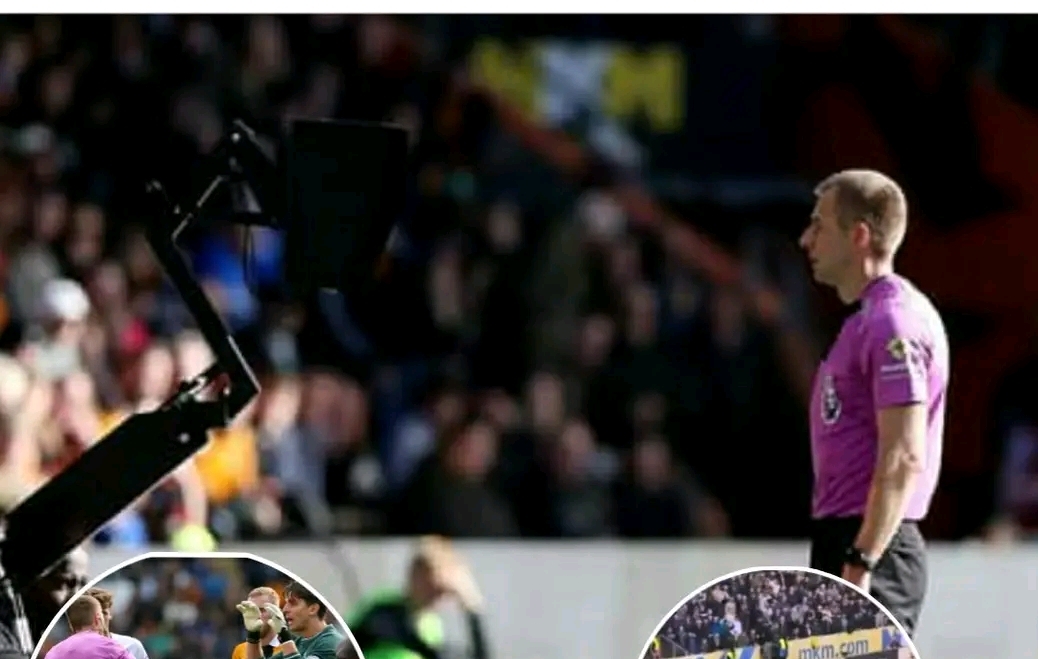
Referee Michael Salisbury was subsequently asked to examine the footage on the pitchside monitor. After reviewing the incident, he overturned the original decision and ruled the goal out for offside.
According to the explanation reported during the match, Johnson was considered to be in an offside position while challenging a Hull City opponent. The officials therefore concluded that he had interfered with play.
The decision left Everton frustrated, particularly because the team had worked hard to create opportunities against a Hull side that had defended well during the opening stages.
Everton Fans Question the Decision
The decision quickly became one of the major talking points of the encounter, with supporters debating whether Johnson’s positioning genuinely affected Hull City’s ability to defend the situation.
For Everton, the frustration was understandable. The club had created a promising attacking opportunity and believed it had taken the lead, only for the intervention to change the course of the match.
Nevertheless, the Premier League’s explanation focused on Johnson’s involvement in the play rather than simply his position when the ball entered the net. The key question was whether his actions challenged an opponent and constituted an offside offence.
The incident has once again highlighted the fine margins involved in modern football officiating, particularly when referees must decide whether an offside player has interfered with an opponent.
Hull City and Everton Produce a Dramatic Finish
Despite the first-half controversy, the match delivered plenty of entertainment after the interval.
Hull City took the lead through Joe Gelhardt in the 49th minute after Ainsley Maitland-Niles lost possession. Everton responded through Kiernan Dewsbury-Hall before Thierno Barry put the visitors ahead.
However, Mohamed Belloumi came off the bench to score Hull City’s second goal, securing a 2-2 draw in an entertaining contest. Everton remained unbeaten, while Hull demonstrated their ability to fight back against Premier League opposition.
The result ensured that the debate surrounding Johnson’s disallowed goal would remain a major talking point beyond the final whistle.
Will PGMOL Review the Incident?
Attention will now turn to whether the incident receives further scrutiny from the relevant officiating authorities.
PGMOL regularly faces questions over contentious decisions, while the Premier League’s Key Match Incidents Panel provides independent assessments of significant refereeing and VAR incidents.
However, there is currently no verified public statement confirming that PGMOL has admitted an error in this particular match. The available match explanation supports the decision to disallow Johnson’s goal, rather than confirming that the referee made a mistake.
For Everton, the incident will be another frustrating moment in a match they could have won. For supporters across the league, it is another reminder of how VAR decisions can influence the narrative surrounding a football match.
Whether further official clarification emerges, the controversy is likely to fuel continued discussion about consistency, transparency and the interpretation of the offside law in English football.

 admin
admin