 admin
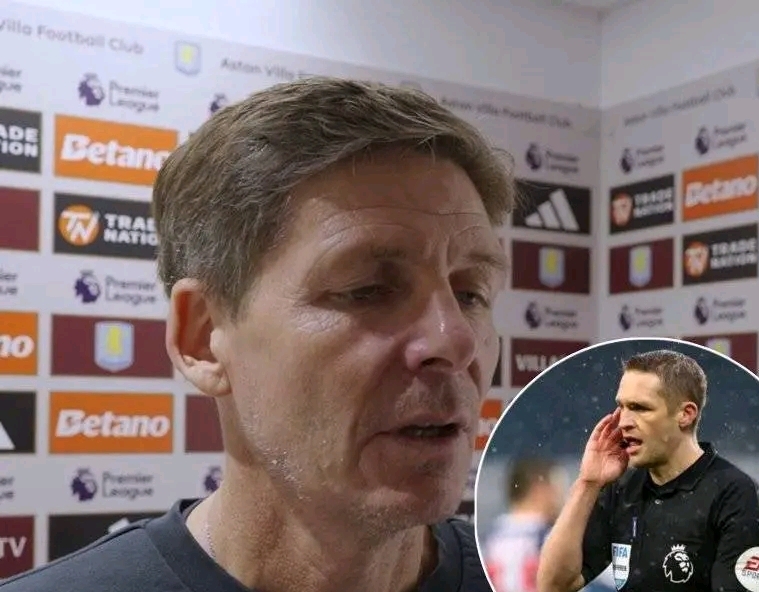
adminOliver Glasner was left furious after Nottingham Forest were held to a 0-0 draw by Tottenham Hotspur, with the Forest boss launching a scathing attack on the VAR decision that ruled out Neco Williams’ controversial goal.
Forest appeared to have taken the lead at the City Ground when Williams reacted quickest to bundle the ball over the line following Morgan Gibbs-White’s effort.
However, referee Craig Pawson initially awarded the goal before VAR Peter Bankes intervened, with a review concluding that Williams had handled the ball immediately before it crossed the line.
The decision sparked an immediate backlash from the Forest players and supporters, and Glasner made his feelings clear after the final whistle.
The Austrian manager insisted the evidence was nowhere near strong enough for VAR to overturn the original on-field decision.
“I watched five or six different angles and, to be fair, from one angle you can guess that the ball touched the arm because the shirt moves a little bit, but it’s not clear,” Glasner said.
The Forest boss went even further by questioning whether VAR should have become involved at all.
“VAR cannot intervene when he is guessing. It was not clear and obvious,” Glasner argued.
Glasner explained that managers and officials had been told before the campaign that the threshold for VAR intervention would remain high, making the decision particularly frustrating in his view.
“We had a briefing before the season that the threshold for VAR intervention this year should be very high, which is why this is a wrong intervention,” he added.
The Forest manager also claimed that his side should have been awarded a penalty during the match after Williams was involved in another contentious incident.
Speaking to the BBC after the game, Glasner argued that Mohammed Kudus had fouled Williams and insisted the challenge would normally have been penalised elsewhere on the pitch.
“For me it is a clear penalty when Neco Williams gets fouled because Kudus doesn’t even jump into the ball and when this situation happens anywhere on the pitch it is always a foul,” he said.
Glasner ultimately believed Forest had done enough to win the contest but acknowledged that they had also failed to make the most of other opportunities.
The visitors Tottenham struggled to create clear opportunities, while Forest had their best chance before half-time when Morgan Gibbs-White failed to convert an important opportunity.
“It feels we lost two points today because I watched a few situations back and I think the goal must stand,” Glasner said.
“If we take our clear chances we had, I think we should have won the game.”
The result means Forest remain without a victory from their opening three Premier League matches. It is the first time Forest have failed to win any of their first three Premier League fixtures since the 1990-91 campaign.
Tottenham, meanwhile, finally picked up their first point of the season but remain without a goal after three league matches.
The controversy surrounding Williams’ disallowed goal is likely to dominate the conversation after the match, particularly because the incident appeared extremely difficult to determine from the available footage.
Williams himself also rejected the decision, insisting that he had headed the ball rather than handled it.
For Glasner, however, the central issue was not Tottenham themselves but whether VAR had met the required threshold to overturn the referee’s original decision.
His message was clear: if the footage does not provide conclusive evidence of an offence, the on-field decision should remain.
The Forest boss therefore left the City Ground believing his side had been denied a potentially decisive victory by a VAR intervention he considered speculative rather than conclusive.

 admin
admin