 admin
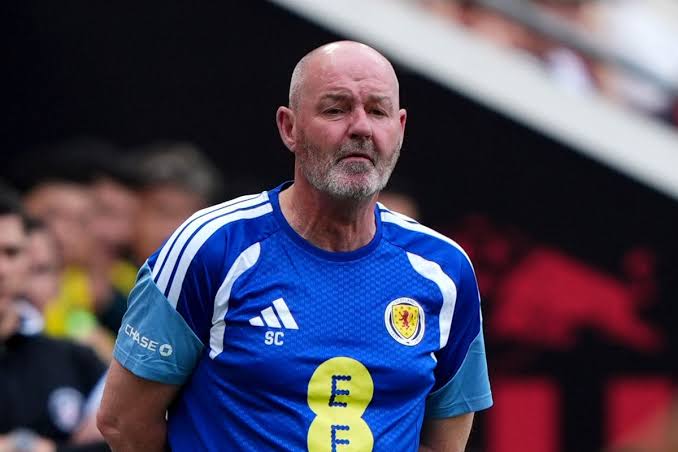
adminScotland’s national team has been plunged into fresh controversy after reports claimed that one of its senior players has decided he will no longer play for his country while Steve Clarke remains manager. The alleged decision has sparked widespread discussion among supporters and pundits, raising fresh questions about the team’s unity, leadership, and long-term direction.
Neither the Scottish Football Association (SFA) nor Steve Clarke has publicly commented on the reports. However, sources close to the squad suggest the player’s stance follows growing frustration over team selection, tactical decisions, and the overall atmosphere within the camp. The situation arrives at a pivotal moment for Scotland, whose recent progress under Clarke has been accompanied by increasing criticism after disappointing tournament performances.
Clarke’s Journey: Success Followed by Growing Pressure
Steve Clarke took charge of Scotland in 2019 with the task of reviving a national side that had endured years of underachievement. His disciplined and organised approach helped transform the team, ending a long wait for major tournament football by securing qualification for UEFA Euro 2020. Further qualification campaigns strengthened his reputation, with Scotland once again becoming a competitive force on the international stage.
One of Clarke’s greatest achievements came by guiding Scotland to the 2026 FIFA World Cup in North America, a milestone celebrated across the country. Memorable victories during qualification, including an impressive win over Denmark, reinforced belief in the squad, while influential figures such as John McGinn became symbols of the team’s resurgence. Clarke’s emphasis on discipline, commitment, and continuity earned praise from many supporters.
Despite those achievements, criticism has intensified following Scotland’s performances at the World Cup. Many observers believe the team’s cautious tactical setup has limited its attacking threat, making it difficult to compete against elite opposition. Defensive mistakes and a lack of creativity have been recurring concerns, particularly after the heavy defeat to Brazil, which left Scotland third in Group C and relying on favourable results elsewhere to reach the knockout stages as one of the best third-placed teams.
Supporters and football analysts have increasingly questioned Clarke’s tactical philosophy, arguing that Scotland possesses enough talent to adopt a more adventurous style. Debate has also surrounded his selection policy, with some believing loyalty to experienced players has come at the expense of rewarding those performing well at club level. Previous comments from striker Oli McBurnie regarding Clarke’s preference for established forwards such as Che Adams and Lyndon Dykes have further fuelled those discussions.
Reported Ultimatum Highlights Growing Frustration
According to reports, the player involved is an experienced international with an impressive club career. Sources claim he believes Scotland requires new leadership to unlock its full potential and has become increasingly dissatisfied with Clarke’s methods.
Among the reported concerns are inflexible team selection, limited opportunities for players in strong club form, and a tactical approach viewed as overly defensive. The alleged decision to refuse future call-ups while Clarke remains in charge represents one of the most significant signs of unrest within the national team in recent years.
There have been previous indications of tension within the squad. Discussions surrounding dual-nationality players, including Harvey Barnes before his international future was settled elsewhere, together with concerns from younger players about limited opportunities, have highlighted wider questions regarding squad management and competition for places.
The situation also reflects the changing landscape of modern football, where players are increasingly willing to prioritise their personal and professional circumstances. High-profile internationals are now more prepared to challenge coaching decisions when they believe changes are necessary.
Divided Opinions Across Scottish Football
Reaction to the reports has been mixed. Many supporters continue to back Clarke, pointing to his record of ending Scotland’s long absence from major tournaments and arguing that public disagreements risk damaging team morale at a crucial stage of the World Cup.
Within the Scottish Football Association, any attempt by a player to pressure the manager is likely to be viewed unfavourably, with decisions regarding selection and leadership remaining the responsibility of the coaching staff and governing body.
Should the reported dispute become more public, Scotland could face further challenges within the dressing room. Senior figures such as Andy Robertson, Kieran Tierney when available, and John McGinn have consistently demonstrated their commitment to the national team, but any internal divisions could affect performances in future matches. Given Scotland’s limited depth compared to Europe’s leading nations, losing an influential player would represent a significant setback.
Beyond the immediate controversy, the episode has also reignited broader discussions about the development of Scottish football. While the country continues to produce talented players, many believe greater investment in coaching, youth development, and tactical innovation is essential if Scotland is to compete consistently at the highest level.
Historical Perspective
Scottish football has experienced similar periods of uncertainty before. Throughout the modern era, managers including Alex McLeish, George Burley, and Gordon Strachan all faced intense scrutiny during difficult periods, with public opinion often shifting rapidly depending on results.
Comparable situations have occurred internationally, where players have challenged managers or withdrawn from national teams over disagreements. In Scotland, however, the passionate backing of the Tartan Army ensures every controversy attracts enormous public attention, with social media amplifying speculation and debate.
As a former Scotland international himself, Steve Clarke has consistently promoted professionalism and commitment. Having experienced disappointment during his own playing career, he understands the frustrations international football can bring, although balancing individual concerns with the interests of the entire squad remains one of management’s greatest challenges.
What Happens Next?
As Scotland prepares for the remainder of its World Cup campaign and looks beyond the tournament, the Scottish Football Association may face difficult decisions. Continuing to support Clarke could preserve stability but risk dissatisfaction among sections of the squad and supporters. Alternatively, appointing a new manager could signal a fresh beginning, although it would inevitably bring uncertainty during a period of transition.
For the player reportedly involved, the decision could divide public opinion. Some may view the stance as damaging to the national team, while others could interpret it as an attempt to encourage necessary change within Scottish football. Any resolution may require discussions involving senior players, coaching staff, and SFA officials to prevent the situation from escalating further.
Ultimately, Scotland’s long-term success will depend on maintaining unity between players, coaches, and administrators. Reaching major tournaments is an important achievement, but remaining competitive on the international stage requires continuous evolution both on and off the pitch.
The coming weeks are likely to bring intense scrutiny as supporters demand clarity and improved performances. Whether this reported dispute leads to meaningful reform or deepens existing divisions could have a lasting impact on the future of Scottish football.

 admin
admin