 admin
adminFootball’s Losing Its Soul: Graeme Souness Is Right About Rangers—and Modern Football
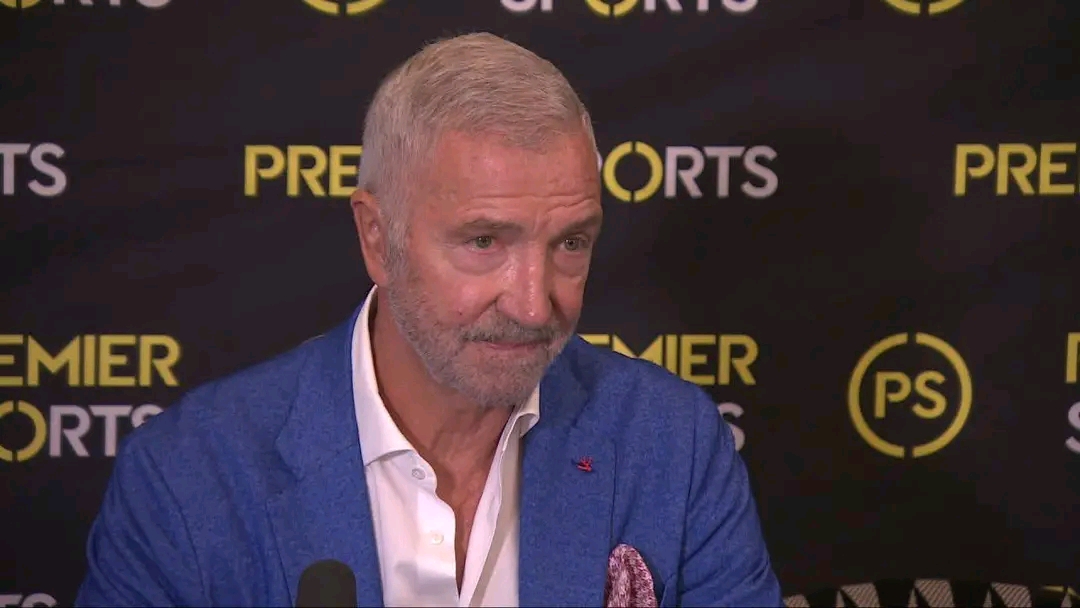
Graeme Souness has never been one to mince words. The former Rangers player-manager, a man who understands the fabric of Ibrox better than most, has launched a characteristically blunt critique of the club’s current recruitment strategy.
And while some may dismiss his comments as the grumblings of a footballing dinosaur, the truth is far more uncomfortable: Souness is absolutely spot on.
“If you’re giving that power to someone who’s never played the game, you’re asking for trouble,” Souness declared. He went on to deliver a damning verdict on modern football’s obsession with data: “I know everything is based on stats, and numbers. That only takes you so far. Let football people make football decisions.”
It’s a statement that cuts to the heart of a crisis not just at Rangers, but across the global game—where spreadsheets are increasingly trusted over instincts, and analysts who have never laced up a boot are given veto power over multi-million-pound transfers. The result? A staggering 25 to 30 new signings in a single year at Ibrox, a figure Souness rightly branded “scandalous.”
The Numbers Game Has Gone Too Far
Let’s be clear: data has a place in football. Expected goals (xG), progressive carries, and passing accuracy are valuable tools. They can unearth hidden gems and identify weaknesses in opponents. But Souness’s core argument is that data is a compass, not a map. It can point you in a direction, but it cannot tell you if a player has the heart to chase a lost cause in the 89th minute of an Old Firm derby. It cannot measure composure when 50,000 fans are roaring for your blood. It cannot quantify leadership, courage, or the sheer will to win.
Those are qualities that football people—those who have been in the trenches—recognise in an instant. A former defender knows exactly how a striker’s body language shifts before a run. A former midfielder feels the weight of a pass that stats might classify as “low-risk” but a manager knows is game-changing. When you hand that decision-making power to someone whose only experience is a computer screen, you are, as Souness warns, “asking for trouble.”
The “Rebuild” Paradox
Rangers’ recent recruitment history reads like a cautionary tale. Twenty-five to thirty new faces in one window is not a squad refresh; it’s a demolition job. It signals panic, a lack of a coherent footballing identity, and, most damningly, a complete failure to learn from past mistakes.
The paradox is brutal: the more you sign, the more you need to sign again. Chemistry isn’t built in a spreadsheet. Partnerships take time. A defence learns to trust each other only by playing through fire together. When you churn through three-dozen players in a year, you are constantly resetting the cultural and tactical clock. Each “rebuild” begets another rebuild, because you’ve never actually built anything—you’ve just rotated the personnel in a never-ending cycle of mediocrity.
Souness’s solution is old-school but timeless: “We should be adding 2 or 3 QUALITY players in windows maximum to add to what’s current there.” That’s the Manchester City model. That’s the Real Madrid model. It’s the model of champions who believe in their core and only tinker at the edges with elite upgrades. It builds continuity, fosters competition, and most importantly, gives young players a pathway knowing the club isn’t buying four replacements every six months.
Let Football People Lead
The irony is that Souness isn’t rejecting progress; he’s rejecting incompetence dressed up as innovation. A successful club uses data to inform football people, not replace them. The manager, the scouts, and the sporting director—crucially, those who understand the game’s intangible demands—must have the final say.
Rangers are not alone in this. From Premier League clubs to European giants, the growing disconnect between the boardroom and the dressing room is eroding the sport’s very essence. Souness’s intervention is a rallying cry: stop overcomplicating the game. It is played by humans, for humans—and humans win titles, not algorithms.
Rebuild after rebuild due to failures in recruitment is simply not good enough. The fans deserve better. The history deserves better. Graeme Souness, as always, has told the truth. The question is: is anyone at Ibrox brave enough to listen?
What do you think—are stats ruining football, or is Souness stuck in the past? Drop your thoughts in the comments.


 admin
admin