 admin
adminIn the wake of Spain’s dramatic 1-0 extra-time victory over Argentina in the 2026 FIFA World Cup final at New Jersey’s MetLife Stadium, the sport’s celebratory glow has been tarnished by controversy, fan mockery, and the disciplinary gaze of football’s global authority.
What started as what some would call playful—and others distasteful—banter from Spanish supporters has evolved into an official disciplinary case, with FIFA releasing a formal statement on possible penalties.
As Spain revels in its second World Cup crown, the looming threat of sanctions threatens to cast a shadow over their achievement and raises fresh questions about the boundary between competitive passion and unacceptable conduct.
The 2026 final was a showdown for the history books. Argentina, the reigning champions, took the pitch with a 39-year-old Lionel Messi in what was widely assumed to be his final World Cup appearance, while Spain fielded a vibrant, youthful squad full of flair and ambition.
Spain’s victory—secured by Ferran Torres’ extra-time goal after Enzo Fernández was sent off—marked their second world title and reinforced their reputation as a tactical powerhouse.
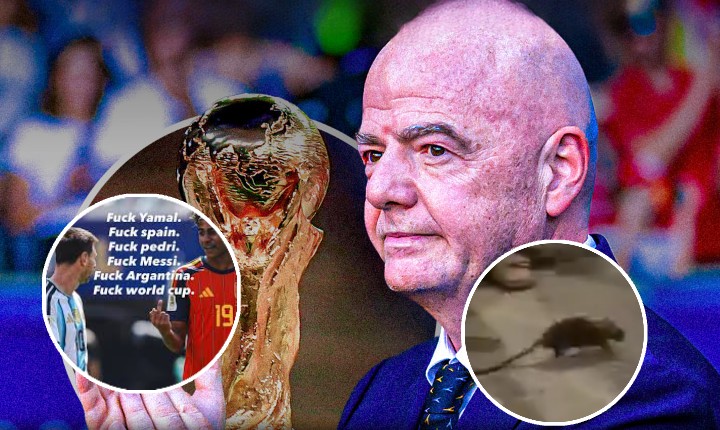
While jubilation erupted across Spain, it was during street parties and victory parades that an odd moment went viral: Spanish fans spotting a rat and breaking into chants of “Messi,” “La Rata Messi,” and similar taunts.
Clips shared widely on X and Instagram showed crowds in Madrid and other cities gleefully pointing at a rodent scurrying near the celebrations, chanting the Argentine icon’s name in a pointed dig at his legacy.
Memes exploded—rats photoshopped with Messi’s face, animated mice inserted into goal replays, and captions celebrating “peak banter.” To many neutrals, this was harmless post-victory ribbing, fueled by the deep Spain-Argentina rivalry woven through shared club histories like Barcelona (where Messi played for decades) and previous high-stakes encounters.
But for Argentine supporters and football traditionalists, the mockery crossed a line, potentially falling under FIFA’s strict prohibitions against discriminatory or insulting behavior.
FIFA, long accustomed to policing fan conduct, moved quickly amid mounting outcry. The governing body issued a statement confirming the initiation of disciplinary proceedings.
While the official language broadly cited post-match incidents and unsporting behavior, insiders suggest the “Messi rat” chants were flagged through match observer reports, fan surveillance, and extensive social media documentation.
FIFA’s Disciplinary Committee has assigned a prosecutor to examine potential violations of the FIFA Disciplinary Code (FDC), especially articles concerning unsporting conduct, discrimination, and damage to the sport’s reputation.
In its release, FIFA underscored: “FIFA treats all reports of inappropriate fan behavior with the utmost seriousness and will conduct a thorough investigation to safeguard the principles of respect and fair play.”
This inquiry joins other post-final flashpoints, including reported altercations involving Argentina players and staff, which could lead to separate penalties such as fines, suspensions, or even point deductions.
For Spain, the stakes are notable—should the chants be ruled discriminatory, the Royal Spanish Football Federation (RFEF) could face financial penalties, stadium closures for upcoming matches, or broader World Cup-related repercussions like adjusted seeding or qualification conditions, though a full tournament ban appears improbable given the context.
The Roots of the Rivalry and the Chant
To grasp why a chance rat sighting ignited global debate, it’s essential to appreciate the deep footballing animosity between Spain and Argentina. Both countries boast storied traditions:
Argentina with its fervent Albiceleste identity and legends like Maradona and Messi; Spain with its tiki-taka supremacy of the late 2000s and early 2010s, including consecutive European Championships and the 2010 World Cup.
Messi’s long stint at Barcelona intertwined the two nations, forging club-level camaraderie with many Spanish players yet intensifying rivalries when international allegiances took over.
The “rat” label isn’t novel in football slang—such animal comparisons often imply cunning, slipperiness, or deceit. Argentine fans have fiercely defended Messi, highlighting his unparalleled résumé: eight Ballon d’Or awards, Copa América victories, and the 2022 World Cup title.
To critics, directing the chant at a rat diminished a footballing giant to vermin, especially poignant as Messi faced a defeat likely marking his World Cup farewell.
Social media turned the episode into a global spectacle. Hashtags like #MessiRat and #SpainChampions trended, splitting opinion. Some applauded the creativity: “It’s just banter, move on.” Others decried it: “This shows football needs better respect education.” Pundit Thierry Henry reportedly came to Messi’s defense in related incidents, noting the emotional weight on the veteran. Argentine supporters retaliated with their own displays, chanting “Don’t cry” to Messi after the final—a testament to their unwavering loyalty.
FIFA’s Disciplinary Framework: Precedents and Implications
FIFA’s intervention is not without historical precedent. The body has previously sanctioned national associations for discriminatory chants, fining countries like Argentina, Mexico, and others during World Cup qualifiers over fan conduct. In one instance, several federations faced penalties exceeding CHF 20,000 for offensive songs. Spain itself has navigated similar controversies, such as player chants about Gibraltar.
Article 36 of the FDC enables investigations into post-match incidents, while anti-discrimination protocols leverage monitoring systems. Sanctions can range from warnings and fines to match suspensions or spectator bans. Regarding Spain’s “potential World Cup sanction,” experts suspect any penalty may be a suspended punishment or financial reprimand rather than severe action, especially since the chants took place during unofficial celebrations rather than inside the stadium.
Nonetheless, perception matters. With the 2026 tournament hosted in North America and global viewership at record highs, FIFA is eager to project inclusivity. Turning a blind eye to unchecked trolling risks alienating fans and sponsors.
Critics contend the governing body is “obliged” to issue statements to assert authority, balancing freedom of expression with standards of conduct. Spanish supporters counter that such moments are part of rivalry’s fabric, citing historical provocations like Maradona’s “Hand of God” or national anthem controversies.
Broader Context: Post-Final Fallout
The “Messi rat” affair is merely one strand of a wider drama. Argentina’s squad reportedly turned their backs during Spain’s trophy ceremony, a gesture some pundits deemed “classless.” Chants of Messi’s name during Rodri’s Golden Ball presentation only added to the friction.
On-pitch flashpoints, including red cards and appeals, drew further complaints. FIFA’s investigation encompasses these elements and may result in sanctions for the Argentine Football Association (AFA) as well.
Spain’s victory parade showcased heroes like Rodri, whose midfield mastery earned acclaim, and emerging talents heralding a new era. Yet the specter of controversy persists. Will any sanctions diminish the celebrations, or will they be dismissed as overreach that only deepens divisions in the football world?
Fan Perspectives and Cultural Impact
Football without passion is hollow, but where does banter end and harm begin? Spanish fans saw the chant as a humorous release after years of Messi-inspired setbacks or stalemates. Argentine loyalists viewed it as petty, particularly aimed at a player who elevated the sport. Global reactions ranged from amusement to demands for accountability. Memes turned the rat into an overnight cultural emblem, inspiring parody merchandise and talk-show discussions.
Psychologists note such incidents reflect sports tribalism—harmless for many but triggering for deeply invested fans. Social media’s role accelerates scrutiny, pressuring bodies like FIFA to respond swiftly. In an age emphasizing player mental health, targeting icons like Messi raises important questions about acceptable boundaries.
Looking Ahead: Lessons for Football
As investigations proceed, this saga offers valuable lessons. Federations must prioritize fan education on inclusive support. FIFA could refine its guidelines to distinguish between behavior inside stadiums and public spaces. For Spain, handling potential sanctions while savoring glory will test the federation’s diplomatic skills. For Messi and Argentina, it may fuel motivation for future competitions—or shape reflections on retirement.
Ultimately, the 2026 World Cup will be remembered for Spain’s tactical brilliance, their historic triumph, and this peculiar footnote. Whether FIFA’s statement yields tangible punishment or remains a symbolic warning is yet to be seen. In football, rivalries persist, but respect—or at least its regulatory semblance—must ultimately prevail.


 admin
admin