 admin
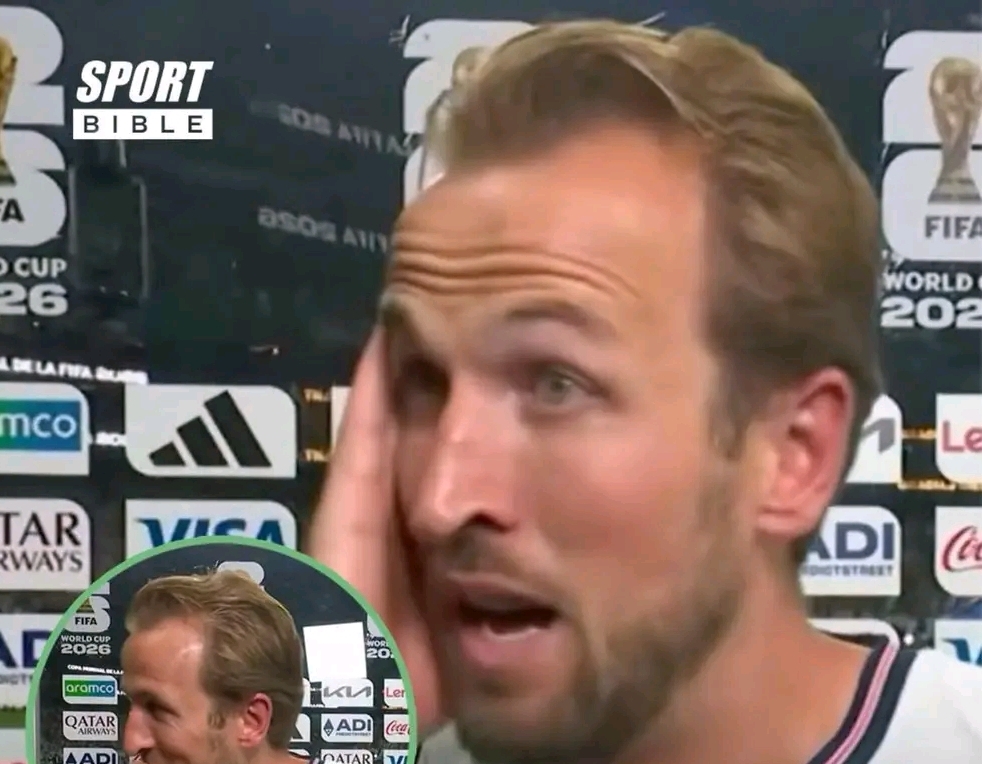
adminHarry Kane gave one of the most memorable post-match interviews of his career following England’s thrilling 3-2 Round of 16 win over Mexico at the FIFA World Cup. But it wasn’t just what he said—it was how he said it, or rather, how he could barely say it at all.
After 120 minutes of relentless shouting, celebrating, and driving his teammates forward, Kane had completely lost his voice. Approaching the microphone with a knowing grin, his throat ravaged by the emotional toll of the night, he managed only a strained whisper—yet each word somehow resonated more deeply.
“This… this is what football is about,” Kane rasped, smiling through the discomfort. “I honestly don’t know where my voice has gone. I think I left it out there on the pitch.”
The England captain paused to laugh, though even that seemed to hurt.
“We knew Mexico would make it incredibly tough. They fought for every ball, every tackle, every moment. When they pulled it back to 2-2, it would’ve been easy for our heads to drop. But this team… this team has something special.”
His voice faltered again before he went on.
“I’ve played in a lot of big games, but nights like this remind you why you fall in love with football as a kid. It’s not always perfect. Sometimes it’s scrappy. Sometimes you’re shattered. Sometimes you can’t even speak afterward. But when you look around and see your teammates giving absolutely everything… that’s priceless.”
Kane admitted every player had pushed past their limits. “I looked around in extra time, and everyone was running on empty. Legs were gone. Minds were tired. But hearts? Hearts were still full. That’s what carried us.”
He made a point of praising the England supporters, who sang relentlessly throughout the match. “I don’t know how they kept going. Honestly, I could hear them every minute. Even when we were under pressure, they never stopped believing. They probably lost their voices too.”
The captain then reflected on the deeper meaning of representing England. “When you wear this shirt, you’re carrying millions of dreams with you. Kids watching at home. Families staying up late. Former players who’ve worn this badge before us. You don’t just play for yourself—you play for everyone.”
As emotion took hold, his whisper grew even softer. “I know people judge footballers by goals and trophies. That’s fair. But nights like tonight remind me that football is about togetherness. It’s about seeing your teammates suffer beside you and refusing to let them down.”
When asked about his own performance, Kane smiled. “If someone told me before the game I’d lose my voice but we’d reach the quarter-finals, I’d have signed that contract immediately.”
The room burst into laughter. “I’m not worried about tomorrow. The medical staff can fix my throat. They can’t manufacture nights like this.”
He then turned to Mexico, offering genuine respect to their opponents. “They pushed us all the way. Massive respect to every one of their players. They represented their country brilliantly, and they made us earn every second of this victory.”
As the interview wound down, Kane delivered a line that quickly went viral. “My voice will come back in a few days. Opportunities like tonight don’t always come back. That’s why you leave absolutely everything on the pitch.”
For a moment, the room was silent. There were no bold claims, no extravagant celebrations, no individual headlines—just a captain who could barely speak because he had given every ounce of himself to help his country advance. Sometimes greatness isn’t measured by the volume of your voice, but by the passion behind every whispered word.
Kane’s hoarse, heartfelt interview perfectly captured the essence of tournament football: sacrifice, resilience, humility, and unshakeable belief. Long after the goals fade, fans may remember the image of England’s captain standing before the cameras, smiling despite having no voice left—proving that leadership isn’t always loud. Sometimes, the quietest words echo the longest.


 admin
admin