 admin
The optimism surrounding Ipswich Town’s return to the Premier League has been tempered by the latest supercomputer projections, which paint a bleak picture for the Tractor Boys’ top-flight survival hopes.
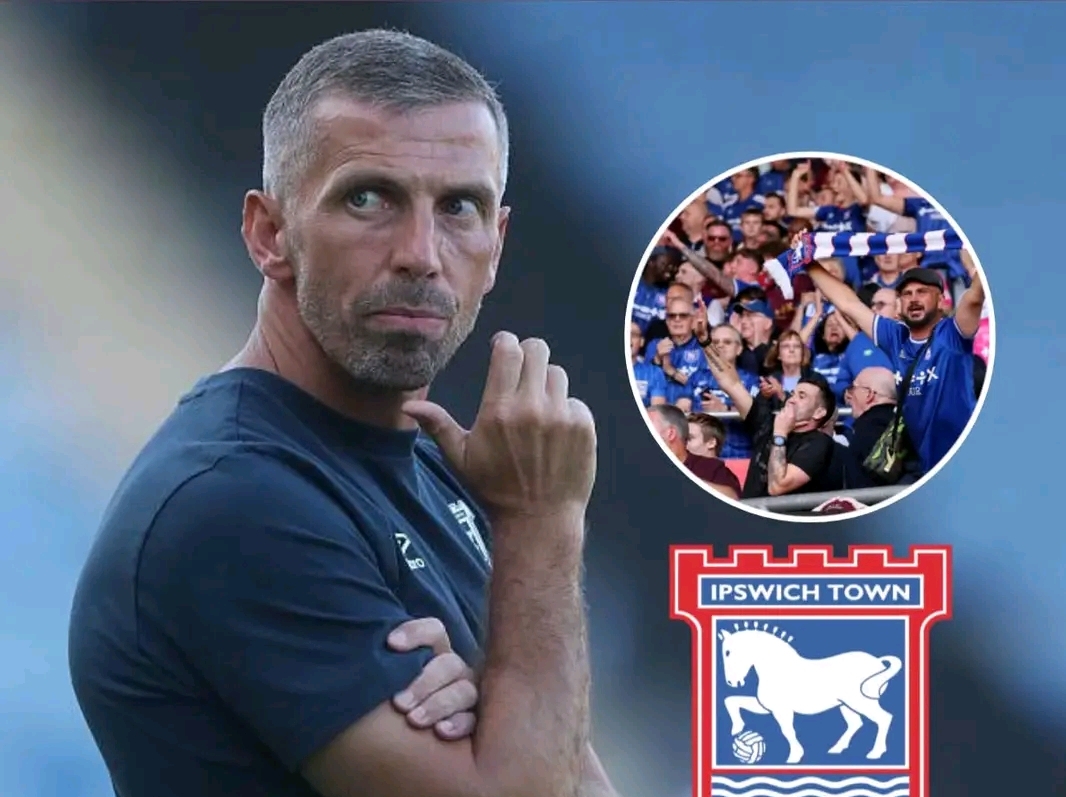
Following their impressive second-place finish in the Championship last season, Ipswich secured automatic promotion, but the step up in quality appears significant. According to the most recent simulations from Sky Sports’ supercomputer, Gary O’Neil’s side is predicted to finish in 17th place, resulting in an immediate return to the second tier .
A Harsh Reality Check
The supercomputer’s data suggests that all three promoted sides—Coventry City, Hull City, and Ipswich—will face the drop. While Coventry is given a 43.1% chance of relegation, Ipswich’s probability is slightly higher at 47.5%, indicating a struggle to compete with the established bottom-half teams . This prediction aligns with the broader statistical trend of newly promoted clubs finding it increasingly difficult to bridge the financial and quality gap in the Premier League.
O’Neil’s Mandate: Defy the Data
Gary O’Neil was appointed in June 2026, replacing the hugely popular Kieran McKenna, who stepped down after securing promotion . The appointment was met with a degree of skepticism from sections of the fanbase, given McKenna’s legacy, but the hire was rooted in pragmatism .
O’Neil’s primary objective is clear: Premier League survival. The 43-year-old has prior experience in these exact circumstances. He successfully guided Bournemouth to safety in the 2022/23 season after stepping in as caretaker and then permanent boss, and he also managed Wolves to a 14th-place finish in the 2023/24 campaign . Ipswich’s hierarchy will be hoping he can replicate that survival instinct at Portman Road.
The Statistical Uphill Battle
The supercomputer’s prediction is not without merit. Historically, newly promoted teams that rely on momentum rather than massive investment struggle to adapt. While Ipswich are expected to spend to strengthen, the gap between the Championship’s top echelon and the Premier League’s lower mid-table remains vast .
Furthermore, the data suggests that while Ipswich may “put up more of a fight” than their promoted peers, the aggregate quality of the division will ultimately be too much . For O’Neil, the challenge is to prove the algorithm wrong by turning narrow defeats into draws and home games into points—a task he has previously accomplished against the odds.
As the season progresses, all eyes will be on whether the supercomputer’s cold, hard logic holds true or if Ipswich can defy the data and secure their Premier League status for another year.

 admin