 admin
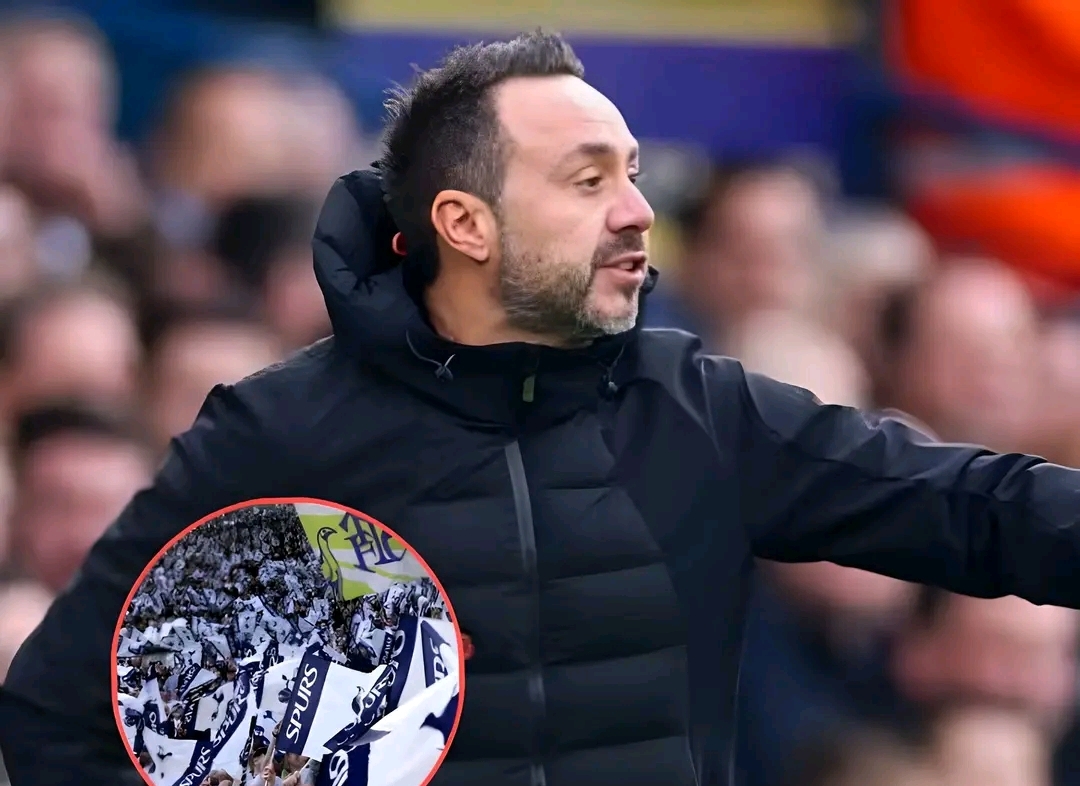
Tottenham Hotspur’s rebuild under Roberto De Zerbi has been a story of ambition, investment, and inconsistency. With nearly £400 million spent on ten new players over the summer, expectations in north London were always going to be high. Yet after ten Premier League matches, Spurs sit 11th, fresh off a deflating 1-0 defeat to Leeds United that halted a promising three-game winning run.
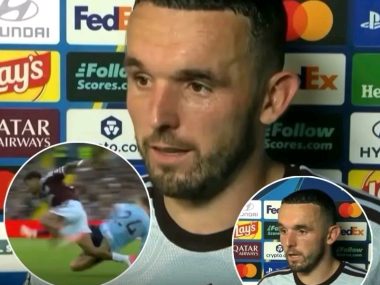
While there have been encouraging signs—particularly the £185 million midfield pairing of Sandro Tonali and Mateus Fernandes—one problem continues to nag at De Zerbi: the number ten position. And at the heart of that problem sits Conor Gallagher, a £35 million January 2026 signing from Atletico Madrid whose Tottenham career is becoming increasingly difficult to justify.
A Signing That Hasn’t Delivered
When Gallagher arrived from Atletico Madrid, the logic seemed sound. Here was a midfielder with energy, aggression, leadership, and a proven ability to cover ground and contribute in both boxes. He was expected to become an important figure in De Zerbi’s system.
More than 1,500 Premier League minutes later, the returns are grim: two league goals and five yellow cards. For a player recruited to offer considerably more than defensive energy, that is a disappointing output.
The deeper issue is stylistic. Gallagher is at his best as a box-to-box midfielder—pressing aggressively, supporting transitions, arriving late in the opposition box. De Zerbi, however, has asked him to operate as a creative attacking midfielder, tasked with connecting midfield to attack and unlocking defences. That simply isn’t his game, and the experiment has failed to convince.
The Competition Is Only Getting Fiercer
Even if Gallagher were performing well, his path to the starting XI would be crowded.
In deeper midfield, Tonali and Fernandes have established themselves as key figures, with Archie Gray, Lucas Bergvall, and Rodrigo Bentancur offering alternative options. In the attacking midfield role, James Maddison, Dejan Kulusevski, and Xavi Simons all compete for minutes when fit—while Omar Marmoush, signed from Manchester City, was also expected to add creativity but has struggled for influence.
When everyone is available, it’s genuinely difficult to identify where Gallagher fits. Even a regular spot on the bench could become a challenge.
The Financial Argument Is Compelling
Gallagher reportedly earns around £200,000 per week—a substantial commitment for a player who has not become a regular starter. For a club that has already invested close to £400 million in the squad, managing the wage structure and ensuring every expensive signing contributes meaningfully should be a priority.
If genuine interest from other clubs exists, Tottenham should at least be willing to listen in January. A sale could recover a significant portion of the £35 million outlay and redirect funds toward areas of greater need—namely, a creative midfielder, a reliable goalscorer, or another attacking player capable of making an immediate impact.
Keeping players simply because they were expensive is not a sustainable recruitment strategy. Sunk-cost thinking has damaged clubs far bigger than this one.
De Zerbi’s Reported Stance Is a Mistake
According to Football Insider, De Zerbi has no intention of allowing Gallagher to leave in January. The manager’s reasoning is understandable: experience, physicality, and squad depth matter across a demanding season, and injuries can change everything quickly.
But there’s a difference between valuing squad depth and blocking a sale that serves the club’s long-term interests. With competition for places intensifying and Spurs needing to maximise their considerable summer investment, retaining a high-earning, low-output midfielder risks becoming a costly act of stubbornness.
De Zerbi deserves time to implement his philosophy—the improved midfield balance and the three wins before the Leeds setback suggest his ideas are taking shape. But recognising when a player doesn’t fit is part of management too.
The Verdict
Gallagher’s determination and work rate have never been in question. Those qualities are valuable. But they alone are unlikely to guarantee him a long-term future in north London, especially when Tottenham’s ambitions stretch toward European competition and major honours.
Unless his performances improve dramatically, Tottenham would be better served selling him in January—recovering funds, freeing wages, and addressing the creative void that has plagued their season—rather than allowing another transfer window to pass without confronting an uncomfortable reality.
The £35 million move has yet to deliver the expected return. It’s time to admit that and act accordingly.

 admin