 admin
By Daysgazette Sport Correspondent | November 6, 2026
Sunderland fans are waking up this morning still seething, and honestly, it is hard to blame them. The disallowed Wilson Isidor goal against Dinamo Zagreb on Thursday night has sparked a furious debate that goes far beyond a simple offside call. The consensus emerging from the footage is that Isidor was, at worst, level with the last defender. Yet the goal was chalked off, and the explanation—or lack thereof—has left everyone furious.
The Incident: A Goal Out of Nowhere
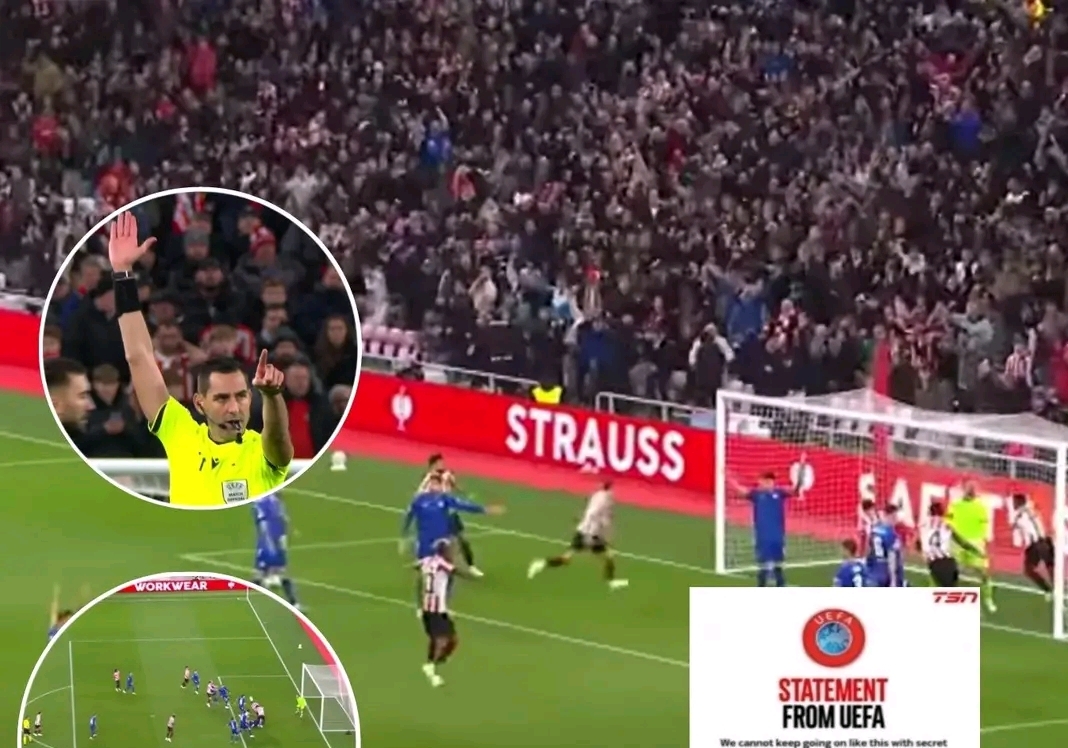
The moment in question arrived just two minutes into the second half at the Stadium of Light. Sunderland, trailing 2-0 after a dismal first-half display, won a free-kick. Granit Xhaka whipped in a delivery of genuine quality, and Isidor rose highest to power a header past the Dinamo goalkeeper . The stadium erupted. It was a lifeline.
Then, the delay. Then, the dreaded signal. The goal was ruled out for offside following a VAR check .
Replays immediately circulated on social media. The freeze-frame most widely shared appeared to show a Dinamo defender—typically identified as the last man—playing Isidor onside. The margin was tight, yes, but the kind of tight that usually sees the attacking player given the benefit of the doubt under the “clear and obvious error” threshold. Except, this was VAR. And the lines, when they eventually appeared (if they appeared at all in a publicly satisfactory form), seemingly condemned the French forward.
Why Everyone Is Furious
The fury stems from three distinct frustrations.
First, the optics of the decision. Isidor has been through a torrid week. He missed two penalties against Burnley, a nightmare that he himself described as one of the lowest points of his career. The header against Zagreb was his redemption moment—a chance to put the misses behind him. To see that moment stolen by a marginal, technical call felt almost cruel .
Second, the inconsistency of the technology. The EFL and UEFA operate different VAR protocols, but the fundamental principle is the same: intervene only for clear errors. The semi-automated offside technology used in UEFA competitions is supposed to be infallible. Yet the lack of immediate, clear graphical evidence shown on the broadcast—the kind we see in Premier League matches with the virtual lines—left a vacuum. Into that vacuum poured speculation, anger, and a deeply held sense of injustice. If the technology is so precise, why does it feel so arbitrary?
Third, and most significantly, the communication vacuum. As of this morning, UEFA has not released a detailed public explanation of the decision. No clarifying statement on the exact point of contact, the exact position of the relevant defender, or the precise reason why the on-field decision was overturned. The silence is deafening, and in the modern game, silence from governing bodies is interpreted as arrogance.
The Broader Context: Sunderland’s Crisis
It is important to note that this disallowed goal did not ultimately cost Sunderland the match. They were already 2-0 down, and they never found a way back into the game, eventually losing 2-0 in a performance that their manager, Regis Le Bris, admitted was “uncomfortable” . The defeat leaves Sunderland anchored at the foot of their Europa League group and winless in the competition .
But that context almost makes it worse. The goal would not have changed the result, but it would have changed the mood. It would have given the fans something to believe in, a moment of fight in a campaign that is rapidly unravelling.
What Happens Next?
The immediate fallout will focus on the officiating. Pundits will demand answers. Fans will flood phone-ins. The EFL and UEFA will likely issue a brief, clinical statement in the coming days confirming the accuracy of the decision without ever addressing the deeper question of why the system feels so opaque.
For Isidor, it is another blow in a season that has tested his resilience. For Sunderland, it is another chapter in a European campaign that has been more about frustration than football.
The bigger question remains unanswered. If VAR is supposed to deliver justice, why does it so often feel like it delivers something closer to confusion? Until UEFA and the relevant authorities commit to radical transparency—releasing the audio, showing the lines, explaining the reasoning in real time—these controversies will continue to fester. And the fans, the ones who pay the money and feel the heartbreak, will be left staring at a freeze-frame on their phones, wondering how a game they love so much can feel so rigged against them.
Follow Daysgazette Sport for updates on this developing story and all the latest from Sunderland’s European campaign.


 admin