 admin
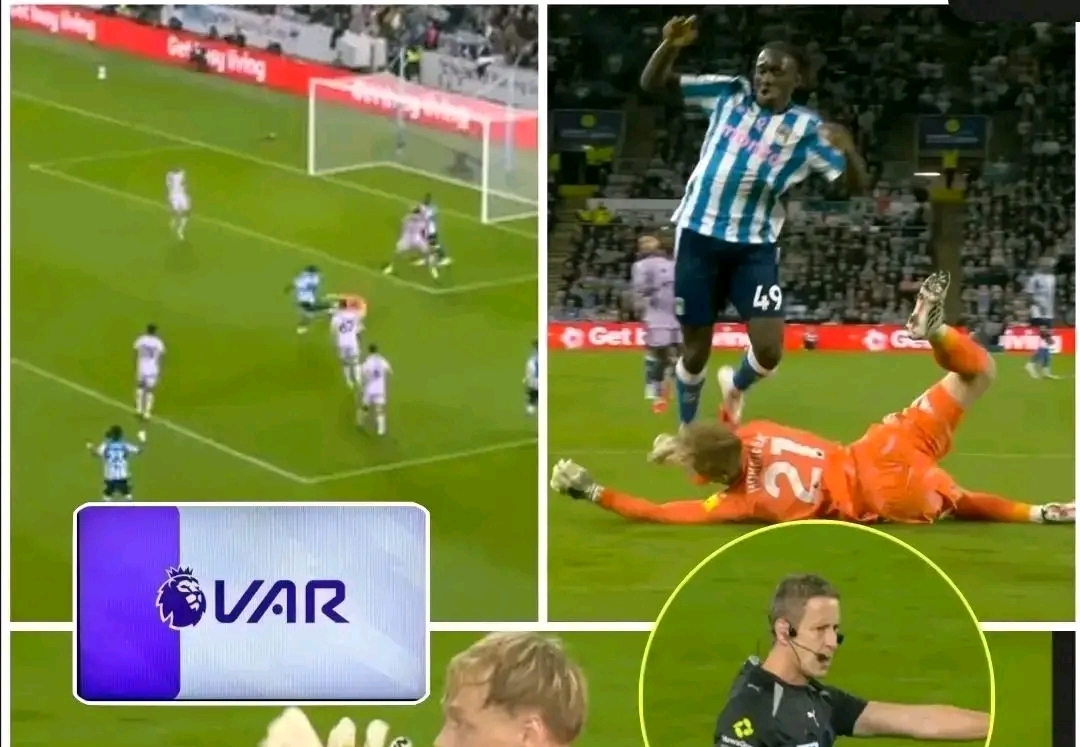
adminThe Premier League has explained the Video Assistant Referee (VAR) decision behind the penalty awarded to Coventry City after Newcastle United goalkeeper Lukas Hornicek brought down Sidiki Cherif during their dramatic 4-1 defeat at the Coventry Building Society Arena.
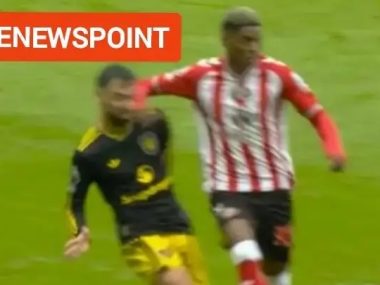
The incident occurred early in the match on Monday, October 12, when Hornicek made a costly mistake while attempting to deal with an attacking move from Coventry. Referee John Brooks immediately awarded a penalty, and VAR subsequently reviewed the decision before confirming the original call.
According to the Premier League Match Centre, the decision was upheld because officials determined that there was significant contact between Hornicek and Cherif inside the penalty area. The explanation has added to discussions among supporters about the incident and whether the Newcastle goalkeeper could have avoided conceding the spot-kick.
However, the official explanation supports the referee’s decision rather than suggesting that the officials made an error.
HOW LUKAS HORNICEK CONCEDED THE CONTROVERSIAL PENALTY
Newcastle’s problems began when Hornicek failed to deal with the ball cleanly under pressure, allowing Coventry forward Sidiki Cherif to take advantage of the situation.
The goalkeeper attempted to recover from his initial mistake but ended up challenging Cherif inside the penalty area. The contact prompted referee John Brooks to point to the spot, leaving Newcastle facing an early setback.
Following a VAR check, the original decision was confirmed, with officials satisfied that the contact was sufficient to justify awarding a penalty.
Jack Rudoni stepped up to take responsibility for the spot-kick and calmly sent Hornicek the wrong way to give Coventry the lead.
The goal was particularly significant for Frank Lampard’s team, as it marked Coventry’s first home Premier League goal in more than 25 years.
The early breakthrough gave the hosts a major boost and put Newcastle under immediate pressure in a match that eventually turned into a disappointing evening for the visitors.
FORMER REFEREE BACKS THE PENALTY DECISION
The incident has also attracted attention from former refereeing chief Keith Hackett, who backed the decision to award Coventry a penalty.
Hackett rejected suggestions that Cherif had deliberately gone to ground to win the spot-kick. He argued that Hornicek’s initial handling mistake placed him in a difficult position before his attempt to recover resulted in a careless challenge.
The former referee also explained that even if a goalkeeper makes some contact with the ball, that does not automatically mean a subsequent challenge cannot constitute a foul.
His assessment strengthened the argument that Brooks was justified in awarding the penalty.
The debate surrounding the incident highlights how quickly a goalkeeper’s decision-making can affect a team’s performance, particularly when an opponent is given an opportunity to score from the penalty spot.
NEWCASTLE UNITED STRUGGLE AFTER THE EARLY SETBACK
Although Hornicek’s mistake contributed to Newcastle’s difficult start, the defeat was not solely the result of the penalty decision.
Newcastle struggled to convert their opportunities during the opening half, while Coventry produced important defensive interventions to prevent the visitors from equalising.
The hosts increased their advantage shortly after the restart when Cherif found the net in the 48th minute with an impressive finish.
Newcastle defender Sven Botman briefly gave his side hope by scoring in the 70th minute, but Coventry responded strongly.
Ellis Simms restored the hosts’ two-goal advantage in the 81st minute before substitute Stephen Mfuni scored in the 86th minute to complete a memorable 4-1 victory.
The result represented an important achievement for Coventry, who secured consecutive wins and moved out of the relegation zone.
For Newcastle, however, the defeat raised further questions about their defensive organisation and their ability to respond when matches become difficult.
MATTHIAS JAISSLE FACES QUESTIONS AFTER NEWCASTLE’S DEFEAT
Newcastle manager Matthias Jaissle has several issues to address following his team’s disappointing performance.
Hornicek’s mistake will inevitably attract attention, but Newcastle’s wider problems were also evident throughout the contest.
The visitors struggled to make their attacking opportunities count and were punished repeatedly by Coventry’s clinical finishing.
Conceding four goals for the second time in successive away matches will also increase the pressure on Newcastle to improve their defensive performances.
The defeat demonstrated that Newcastle cannot afford to rely on individual moments of quality while continuing to make costly mistakes at the back.
Hornicek will face scrutiny following the penalty incident, but the team’s overall response to Coventry’s attacking threat will also be an important consideration for Jaissle.
WHAT THE PREMIER LEAGUE’S VAR EXPLANATION MEANS
The Premier League’s explanation provides further clarity on why the penalty decision was allowed to stand.
Officials reviewed the incident and concluded that the contact between Hornicek and Cherif was significant enough to support Brooks’ original decision.
Importantly, the available official explanation confirms that VAR checked and upheld the penalty. It does not establish that a separate, full verbatim VAR audio recording was released for this particular incident.
For Coventry, the decision helped them establish an early advantage on their way to an emphatic victory.
For Newcastle, the incident serves as another reminder of how expensive individual mistakes can become in the Premier League.
With discussions surrounding the penalty continuing, attention will now turn to how Newcastle respond to their latest setback and whether Jaissle can address the defensive weaknesses exposed during the defeat.
Ultimately, while the penalty was a decisive early moment, Coventry’s four goals demonstrated that Newcastle’s problems extended beyond the opening incident.


 admin
admin