 admin
admin“We were robbed this is not football tottenham coach voiced out after defeat to Sunderland
Long before the moment that left the Stadium of Light in stunned silence, the tension was already unbearable. Tottenham Hotspur hadn’t come for a routine fixture. They had come to survive—to salvage pride, prove a point, and for some, to show they still deserved to compete at the highest level.
Among them was Cristian Romero. The fiery Argentine defender had become the team’s emotional heartbeat. Before kickoff, he spoke with raw conviction—about loyalty, about the fans, about fighting regardless of the circumstances. Tottenham were in crisis. Relegation fears were no longer a distant joke. They were real. And Romero was ready to battle.
From the first whistle, the intensity was relentless. Sunderland, backed by a roaring home crowd, played with belief and energy, sensing a chance to humble a giant. Tottenham tried to stay composed, but every pass, tackle, and decision carried crushing weight.
Romero threw himself into everything—aggressive, laser-focused, refusing to let anything through. He barked orders, steadied the defense, and led by sheer force of will. It meant everything to him.
But football has a cruel sense of humor.
Midway through the second half, in a moment no one could have foreseen, everything changed.
The ball drifted toward Sunderland’s attack. Routine at first. Romero reacted instantly, stepping across to protect his goal. At the same time, goalkeeper Antonín Kinský rushed out to collect.
Then came the collision.
Sunderland’s Brian Brobbey, chasing the play, made contact with Romero—a desperate nudge as he tried to reach the ball. That small push was enough. Romero lost balance and fell directly into Kinský’s path.
The two teammates collided violently. The thud echoed through the stadium. Both players hit the ground and stayed down.
Everything stopped.
Hands went up for medics. The referee blew his whistle. The crowd fell silent, replaced by a wave of dread. This wasn’t about football anymore. Two men lay motionless on the turf.
Medical staff sprinted on.
Romero didn’t move. Kinský clutched his head. Teammates stood frozen, some with hands on their heads, others turning away. Eight agonizing minutes passed. It felt like an eternity.
Romero eventually sat up, but his face said everything. Not just pain—fear. Fear that something was seriously wrong. Fear that he couldn’t continue.
When he finally stood, the stadium offered a respectful round of applause. Relief, but short-lived. It was clear he couldn’t go on.
The decision came. Romero had to come off.
As he trudged toward the touchline, emotion overwhelmed him. The pre-match vows. The weight of the moment. The responsibility he felt toward the fans. It all crashed down at once.
And then he broke down.
Tears filled his eyes. He tried to hide it, but couldn’t. This wasn’t just physical pain. This was heartbreak. He had come to fight, to lead through crisis. Now he was being forced off, helpless.
His teammates rushed to his side—arms around him, quiet words of comfort. A powerful image. Footballers are supposed to be unbreakable, but Romero showed something deeply human: he cared, more than most.
At the sideline, he glanced back at the pitch, reluctant to leave. Kevin Danso waited to replace him. The substitution was made, but all eyes stayed on Romero. He walked off slowly, still in tears, still unable to accept what had happened.
On the bench, he sat with his head down.
Cameras captured everything.
Support poured in on social media—even from rival fans, who recognized how much the game meant to him.
Meanwhile, the match resumed. Kinský, despite the brutal collision, stayed on with a bandaged head—a brave, almost defiant act that underscored the severity of the impact.
Without Romero, Tottenham looked shaken. The defensive structure crumbled. Communication faltered. Sunderland smelled blood and pushed harder.
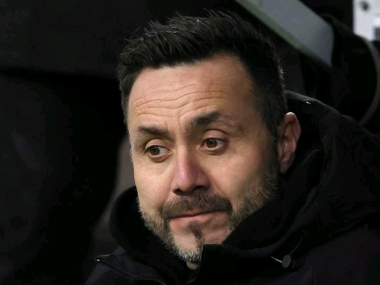
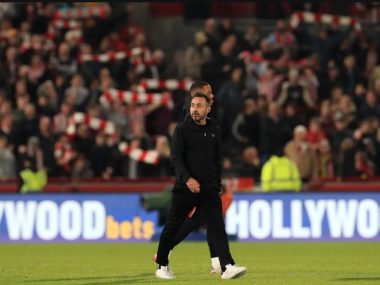
For manager Roberto De Zerbi, it was a nightmare. Already under pressure, he now had to reshape his team mid-battle. Losing Romero wasn’t just losing a defender. It was losing a leader.
After the match, the result became secondary. The focus was on Romero.
Fans begged for updates. Teammates spoke about him. De Zerbi faced questions about his condition. Everyone hoped the injury wasn’t serious.
In the dressing room, Romero was reportedly still emotional. His teammates gathered around him. Football is a team sport, but moments like this reveal its raw, personal core. These are not just athletes. They are human beings—with fear, with passion, with breaking points.
Romero had given everything. And he left the pitch in tears.
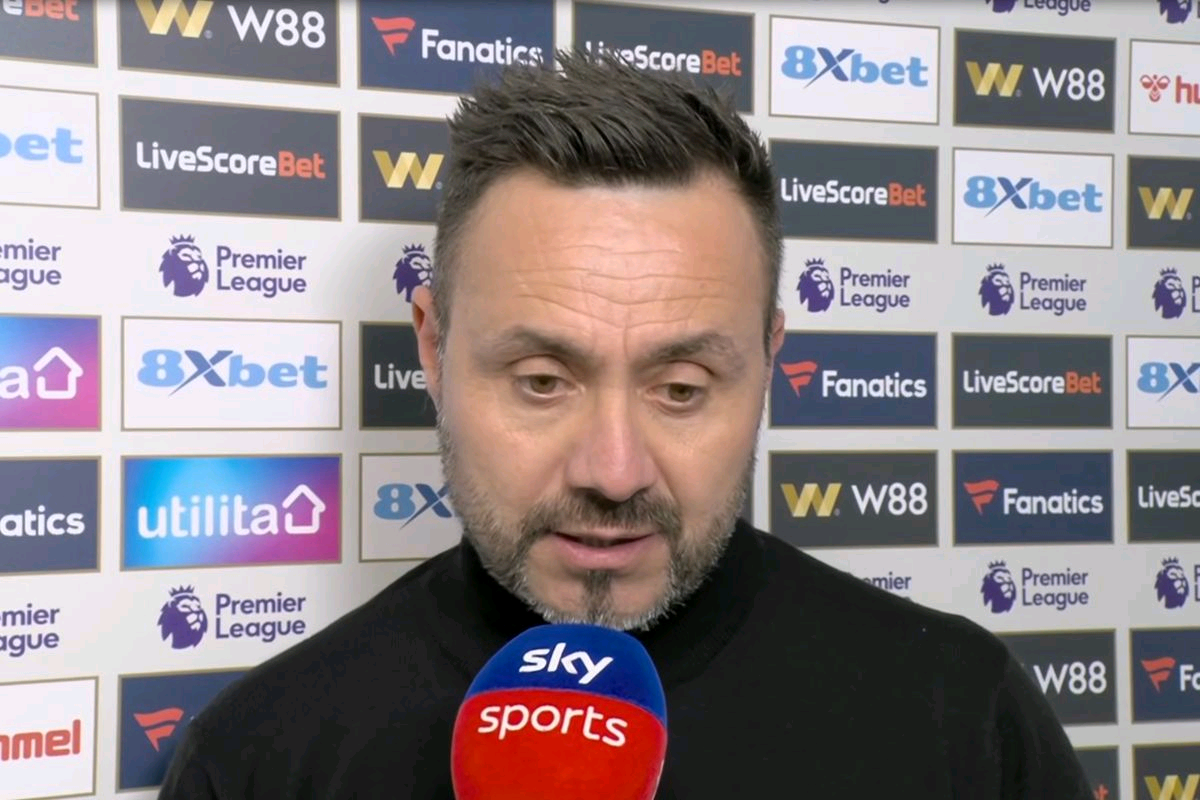
De Zerbi later chose his words carefully. He called Romero a warrior, praised his spirit, and admitted that losing him at such a critical moment had shaken the team.
“It’s difficult,” he said. “Cristian is a leader. He gives everything. When you see him like that, it affects everyone.”
For Tottenham fans, it was another blow in a season already filled with them—injuries, inconsistency, pressure from every direction. Seeing one of their most passionate players walk off in tears made it hurt even more.
But it also reminded them why they love the club.
Because of moments like this.
Because of players like Romero, who fight with everything they have, who care so deeply that the weight of a single match can bring them to tears.
As the stadium emptied after the final whistle, the image of Romero walking off stayed with everyone who saw it. It wasn’t just a moment in a game. It was a story of emotion, commitment, and heartbreak.
Football gives us joy and glory.
But sometimes, it gives us this.
A reminder of just how much it all really means.

 admin
admin